Reflections
Thoughts from SAO on the current state of animal use in biomedical research.
Reflections on Modernizing Sepsis Research, including insights from the 49th Annual Conference on Shock→
Although human-based methods are transforming sepsis research, experiments on animals remain commonplace throughout the field. Conversations at the 49th Annual Shock Society Conference highlighted why this disconnect persists and what is needed to accelerate the transition to animal-free science.

What Makes a Simulation Model Worth Using? Lessons from Two Surgical Education Conferences→
Surgical education is evolving rapidly, driven not only by advances in simulation technology but also by new approaches to developing and accessing training models, including 3D-printed models, virtual and augmented reality platforms, and perfused human cadavers.
SAO in Action: Highlights from the 2026 AAAS Annual Meeting→
SAO attended the 2026 AAAS Annual Meeting in Phoenix, where Dr. Gabby Vidaurre spoke about recent policy changes in U.S. biomedical science and our Research Modernization NOW roadmap. This year’s Science @ Scale theme brought big ideas from across the research landscape. Read more in our conference recap.
Unraveling Decades of Flawed Depression Research? →
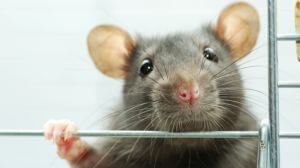
Depressive disorders are the leading cause of disability worldwide, affecting approximately 280 million people. Yet after decades of cruel experiments on animals, little has changed in terms of treatment.
What are NAMs? →
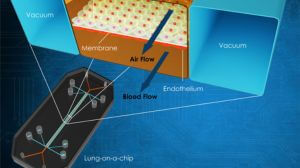
NAMs—ranging from organoids and organs-on-chips to computational models—are advancing our ability to study human disease in ways experiments on animals never could. To realize their full potential, NAMs researchers need more support, funding, and fair evaluation of their work.

When Medical Training Moves Off Campus and Out of Sight →
As surgical procedures become more complex and minimally invasive, simulation-based training has become essential to medical education and a core component of surgical and procedural skill development.

What Happens When NIH Stops Asking for Animal Experiments? →
In a July 7 joint webinar by the National Institutes of Health (NIH) and the Food and Drug Administration (FDA), Acting NIH Deputy Director for Program Coordination, Planning, and Strategic Initiatives Dr. Nicole Kleinstreuer announced that the agency would “no longer seek proposals exclusively for animal models”1 and that all new funding opportunities will include language on the consideration of non-animal methods (NAMs).
 © iStock.com/Pijus Ash
Unseen Suffering: A Critical Examination of USDA Reporting on Animals in Laboratories →
Millions of animals are used in U.S. laboratories every year, but fewer than 1% are covered under the federal Animal Welfare Act (AWA) and overseen by the U.S. Department of Agriculture’s (USDA) Animal and Plant Health Inspection Service (APHIS).1 The vast majority—especially mice and rats, who make up most of the animals used—are unreported, uninspected, and unseen.

Science Advancement & Outreach at the Shock Society Annual Conference in Boston →
Science Advancement and Outreach attended the Shock Society‘s 2025 conference in Boston. Here we share updates from NIH, exciting examples of human-relevant research in the field, and Dr. Vidaurre’s poster on non-animal methods for sepsis research.
Hormones, Headlines, and the Mouse Trap of Biomedical Research →
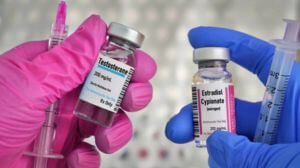
There is ongoing controversy and confusion over statements and reports by politicians and news outlets about NIH-funded researchers conducting experiments on “transgender mice.” Many assumed the term was a misquote of the scientific term “transgenic mice,” which refers to genetically modified mice, often using human DNA.

Breaking: Human-Based Research Takes Center Stage at NIH →
After decades of resistance, the National Institutes of Health (NIH) is shaking off old habits and moving into the future of science. On Tuesday, the agency announced it was launching a new initiative to “prioritize human-based research technologies” and “reduce the use of animals in NIH-funded research.” It’s the paradigm shift we’ve been calling for.
Mice, Empathy, and the Ethics We Ignore →
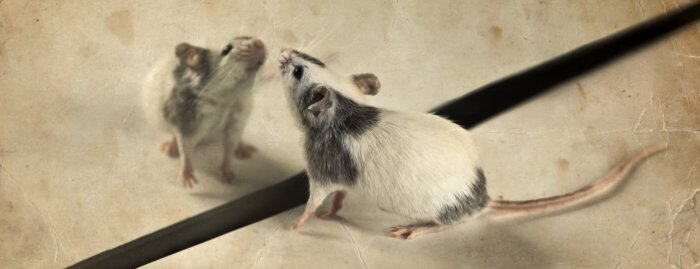
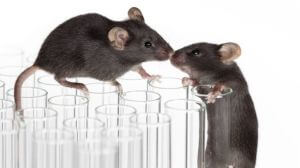
A mouse’s ability to recognize distress in others and respond with life-saving actions demonstrates that he or she is not a “furry test tube,” but a sentient being deserving of moral consideration.

Pilot Study on U.S. Medical Student Attitudes and Knowledge Toward Animal Use in Preclinical Experimentation and Medical Education →
Understanding future medical professionals’ perspectives and knowledge of the use of animals in medical education and preclinical research is crucial for identifying potential areas for education reform.

Research Modernization NOW →
Consolidation, reorganization, decreased funding, increased funding, more risk-taking, less bureaucracy, meta-research, commercialization, oversight boards, lottery systems, and more focus on practical application—what do these ideas have in common?
Why Humanizing Mice Fails to Solve the Translatability Problem →
The use of mice in experimentation spans over a century. However, despite (and perhaps owing to) their extensive use, the scientific community must now confront a critical question: Has it become too reliant on a flawed model that increasingly fails to represent human biology?
Exposing the Gaps: How the 3Rs Fail to Protect Animals in Research →
Recently, the 3Rs have faced significant criticism for their failure to prevent harm to animals. This is due to the framework’s narrow focus on procedural ethics rather than addressing broader systemic and moral questions surrounding animal experimentation.

The Psychedelic Revolution Will Require Human-Relevant Models →
In August, the U.S. Food and Drug Administration (FDA) declined to approve MDMA-assisted therapy for the treatment of post-traumatic stress disorder (PTSD).1 The agency cited insufficient data and requested that Lykos Therapeutics, the company seeking approval, conduct an additional clinical trial to thoroughly assess the drug’s safety and efficacy.1 This requirement could add years to the approval process and cost millions of dollars.
Why We Haven’t Cured Cancer Yet →
“Cancer” is a general term for over 200 different diseases, each with unique causes and behaviors. An estimated 53.5 million people lived with cancer in 2022,1 which means there were 53.5 million different cancers that same year. Cancer stems from one’s own cells, and each type can be as individual as people are, so two patients may respond differently to the same treatment regimen.

Advancing Medical Training by Choosing the Right Simulation Models →
Medical education for physicians encompasses various skill levels and sets, including training for undergraduate medical students, physician residents, and graduate fellows and continuing education courses for practicing physicians.
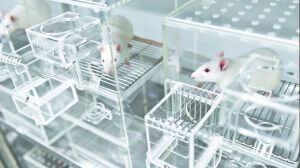
The Hidden Impact of Housing: Transparent Reporting Matters →
The accurate and transparent reporting of research methods is among the basic scientific principles that allow investigators to assess, replicate, and build on published research. However, information regarding the housing conditions to which animals are subjected during a study is usually absent.
 ©️ iStock.com/z_wei
The Contradictions of Animal Experimentation →
What do people who are against experiments being conducted on animals and many of the people who conduct them have in common? Both are apparently against experiments on animals—some species of animals, at least.
 ©️ iStock.com/eyesfoto
Advancing Surgical Education: Embracing Ethical and Effective Animal-Free Training Models →
The erroneous but entrenched belief that animal models are acceptable and adequate for teaching surgical skills is one of the greatest barriers to transitioning away from using them in medical training. The goal of surgical simulation training is to use the most human-relevant models available to provide trainees with the optimal opportunity to transfer acquired skills to the operating room.
Advancing Cephalopod Welfare: A Call for Comprehensive Guidelines →
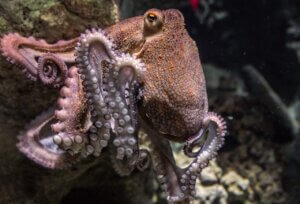
Cephalopods, including octopuses and cuttlefish, exhibit remarkable cognitive abilities, demonstrating traits such as problem-solving, tool use, and even delayed gratification, which is viewed as a manifestation of intelligence in animals.

NIH Follows PETA Scientists’ Recommendations for Boosting Non-Animal Research →
In our work to modernize science policy within the National Institutes of Health (NIH) to better support the use and uptake of non-animal research methods (also known as “new approach methodologies” or “NAMs”), the Science Advancement & Outreach (SAO) division repeatedly responds to NIH’s requests for information on these issues and sends letters to the agency’s leaders with our recommendations.
Translatability: A Medical Student’s Perspective →
The question “Will this preclinical animal model translate to future clinical research?” is one that I ponder every day now when assessing the latest research on a variety of medical topics. But this development is very recent.
Addressing Inadequate Pain Relief for Animals Used in Laboratories →
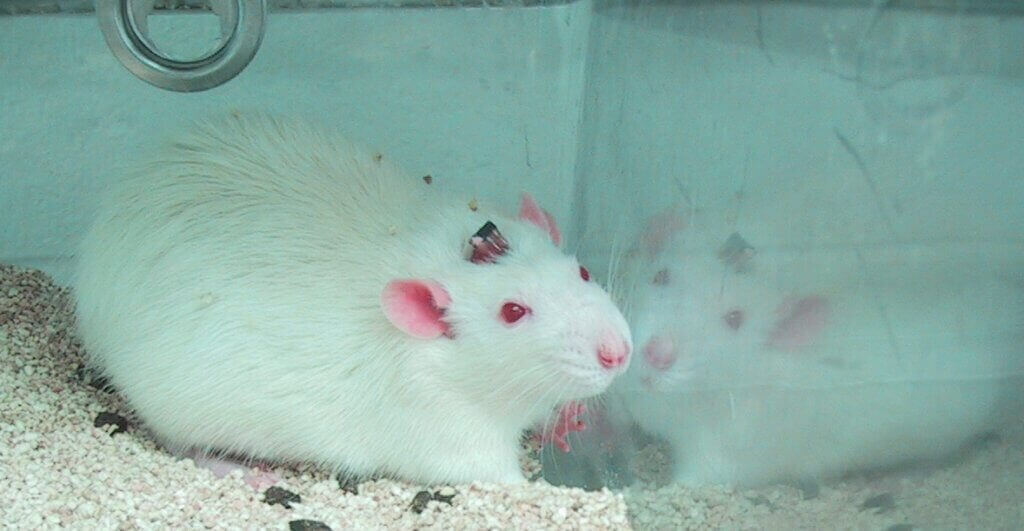
Untreated or mistreated pain in laboratory animals raises significant scientific and ethical concerns in biomedical research. International animal welfare laws and guidelines have been established to minimize pain in animals, but adequate pain relief is often withheld from laboratory animals.

SAO x WC12 →
Later this month, PETA’s Science Advancement & Outreach (SAO) division and some of our colleagues will be taking over Canada. Well, we’ll have a notable presence at the 12th World Congress on Alternatives and Animal Use in the Life Sciences in Niagara Falls, Canada, that is!

Xenotransplantation: Unsafe, Unethical, and Unnecessary →
In 2021, a flurry of articles reporting on the transplantation of pigs’ organs into humans asked whether using animals as spare parts reservoirs could solve the organ shortage. But this line of thinking is as unnecessary as it is unethical and unsafe.
Can an Animal Kept in a Cage Be a Reliable Model of Human Disease? →
Studying animals in a setting closer to their natural environment may make the results more applicable to animals in nature, but it won’t help overcome the inherent and fundamental differences between species, poor internal and construct validity, and poor replicability that are so common in experiments on animals.

Has the National Institutes of Health Lost Its Way? →
The National Institutes of Health’s (NIH) mission is “to seek fundamental knowledge about the nature and behavior of living systems and the application of that knowledge to enhance health, lengthen life, and reduce illness and disability.” Unfortunately, NIH seems to be so focused on the first part of its mission that it has lost sight of the second.
What Does the Passing of the FDA Modernization Act 2.0 Mean for Animals in Basic Research? →
In late 2022, Congress passed the FDA Modernization Act 2.0—a bill introduced by Sens. Rand Paul (R-Ky.) and Cory Booker (D-N.J.), put forth in the House of Representatives by Rep. Vern Buchanan (R-Fla.), and signed into law by President Joe Biden—ending a 1938 mandate that experiments on animals be used to assess the safety and efficacy of new drugs.

The New and Improved Research Modernization Deal →
PETA’s Research Modernization Deal (RMD) is the first comprehensive plan for phasing out the use of animals in experimentation. Originally released in 2018, it has recently been revised and updated to reflect the latest scientific developments and regulatory changes.

The Entire Biomedical Research System Needs an Overhaul →
The pressure to publish in academia has put biomedical research into a full-blown crisis. A system that promotes, publishes, and rewards only positive results leads to sloppy experimental designs, rushed data collection and analysis, reliance on outdated methods, image manipulation in scientific papers, and, in some cases, outright research fraud.